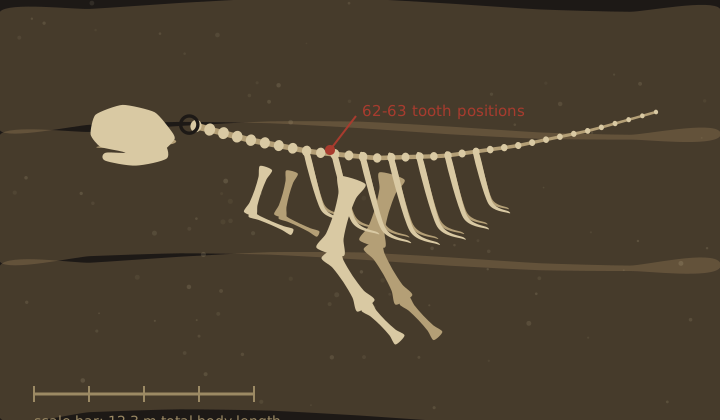
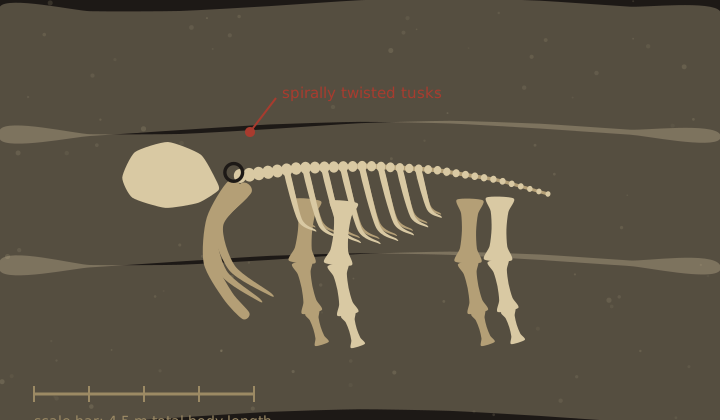
Plates, not photographs
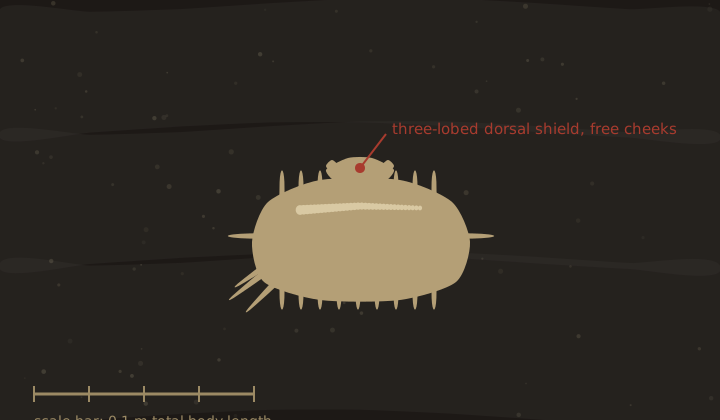
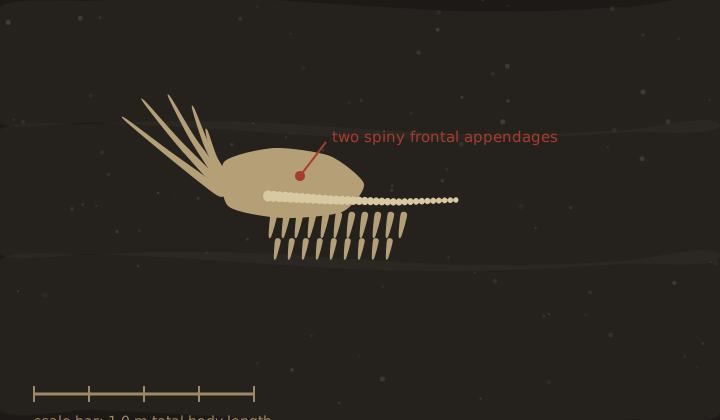
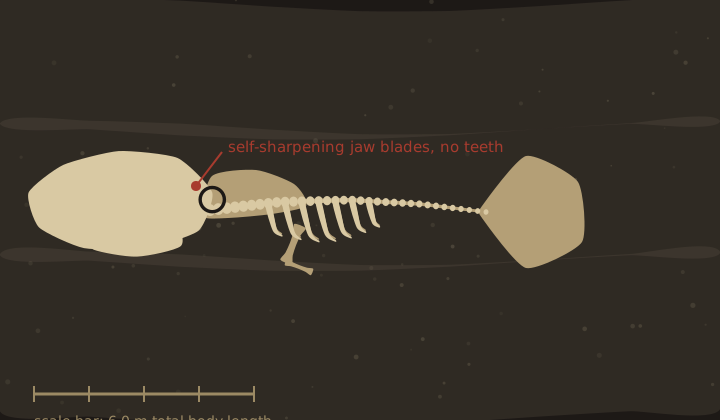
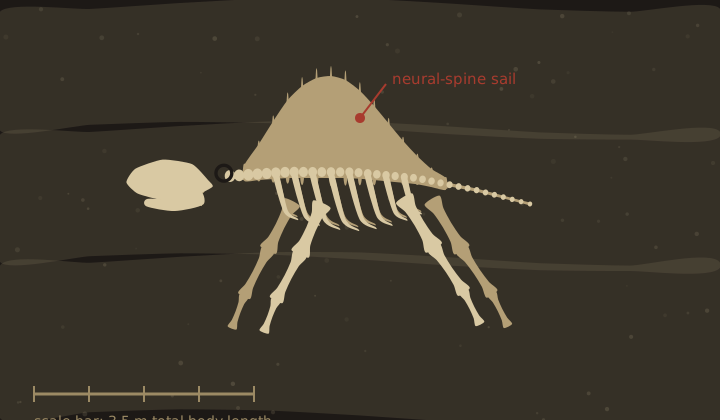
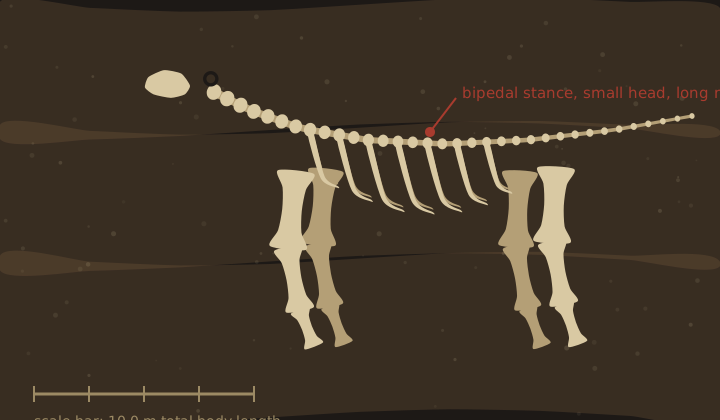
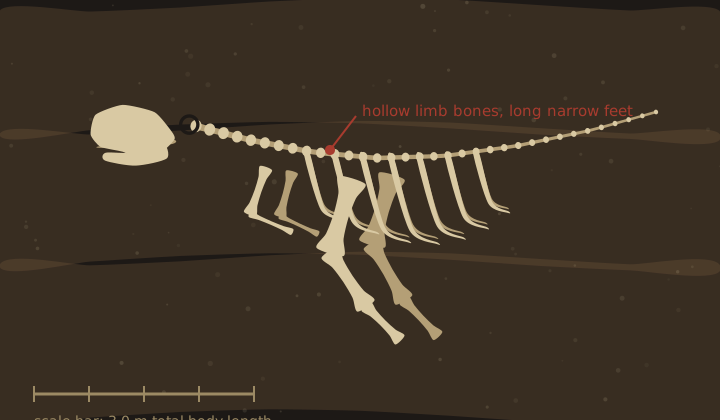
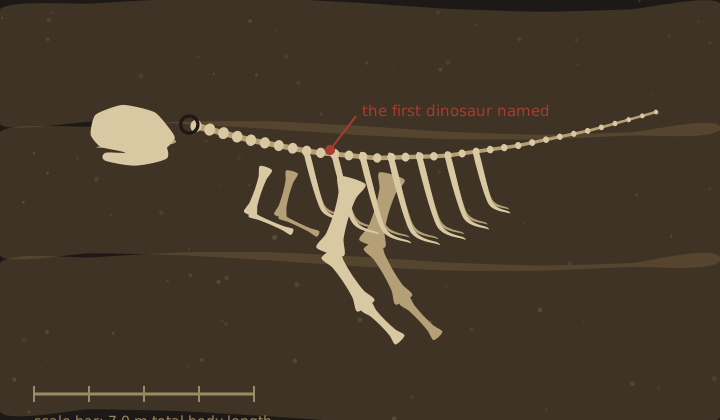
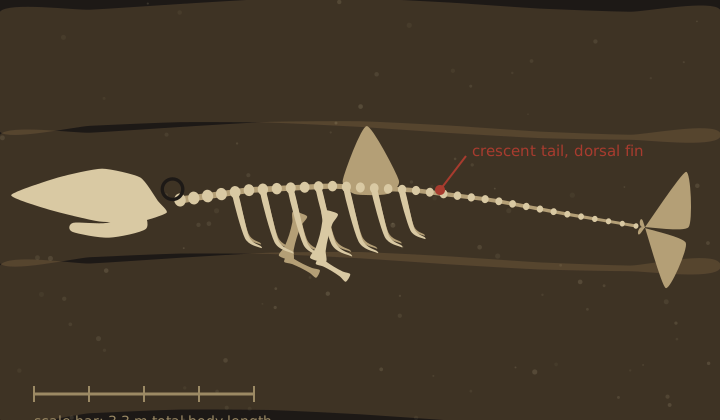
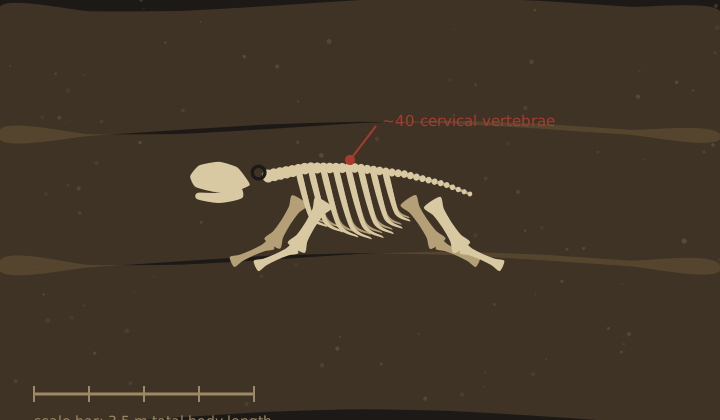
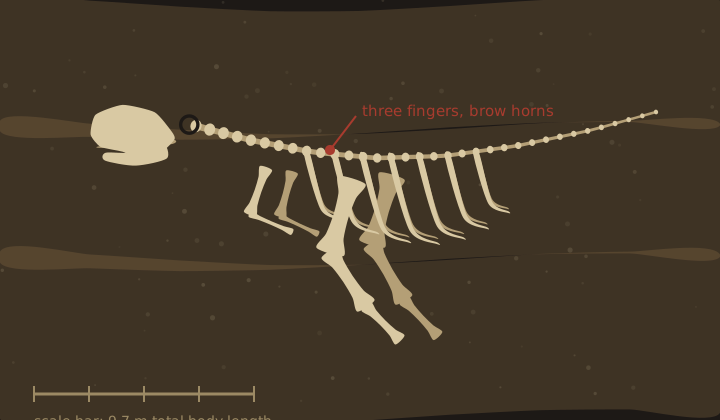
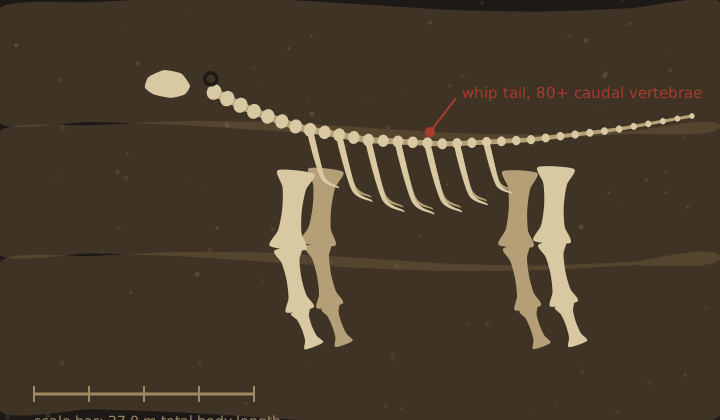
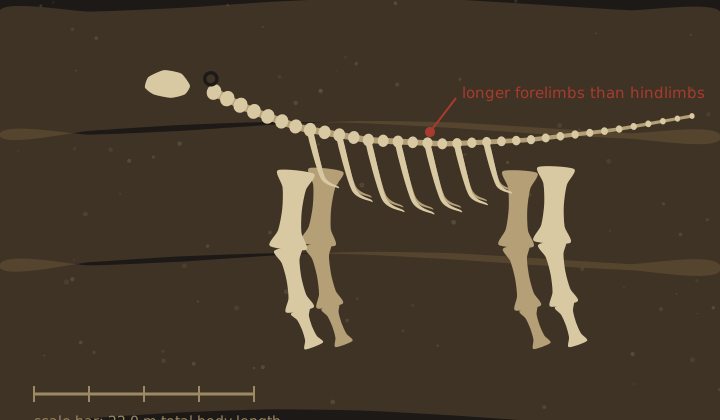
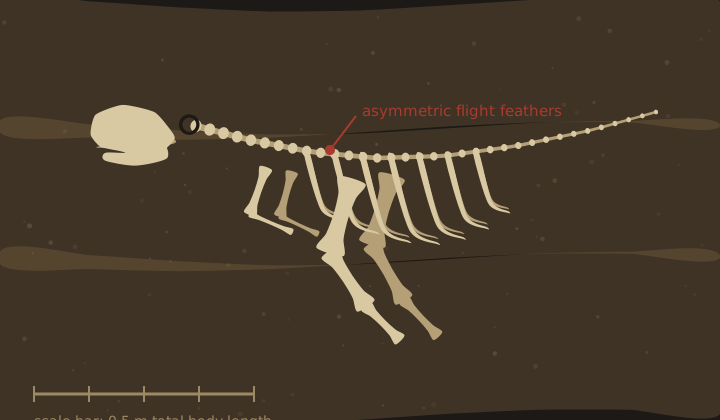
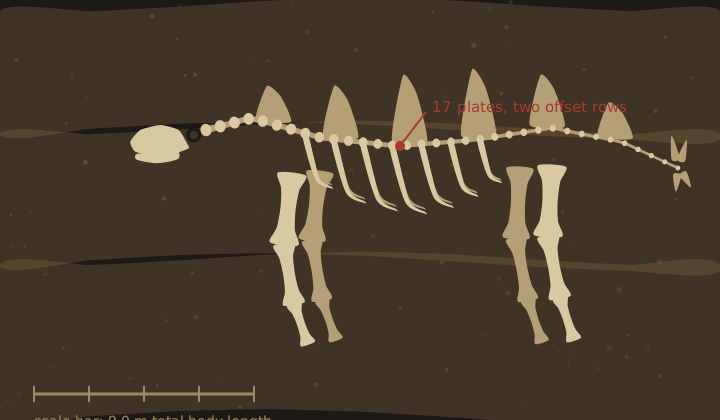
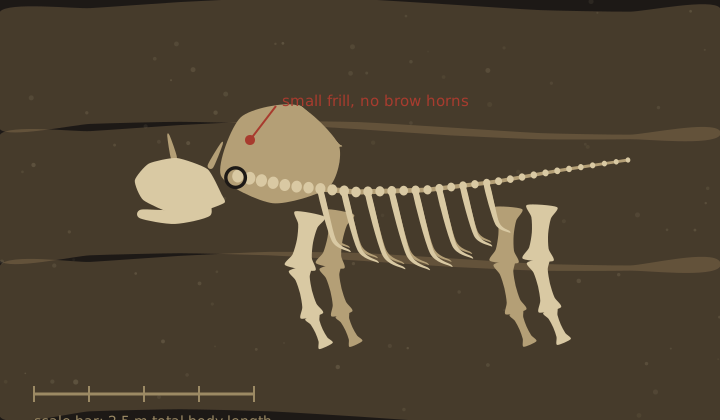
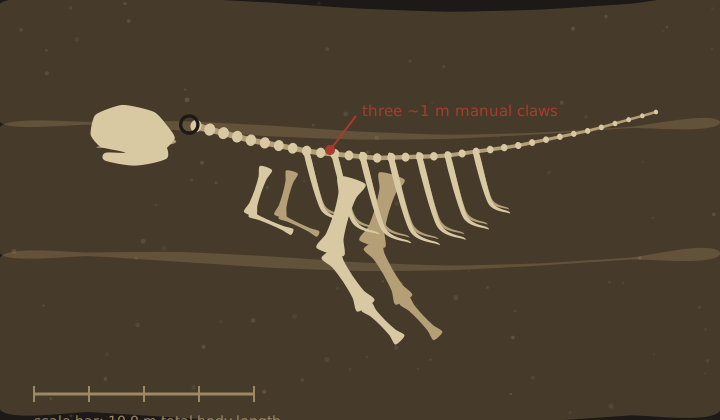
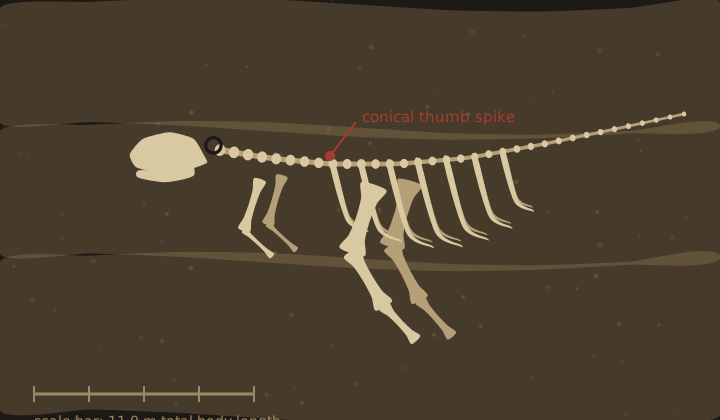
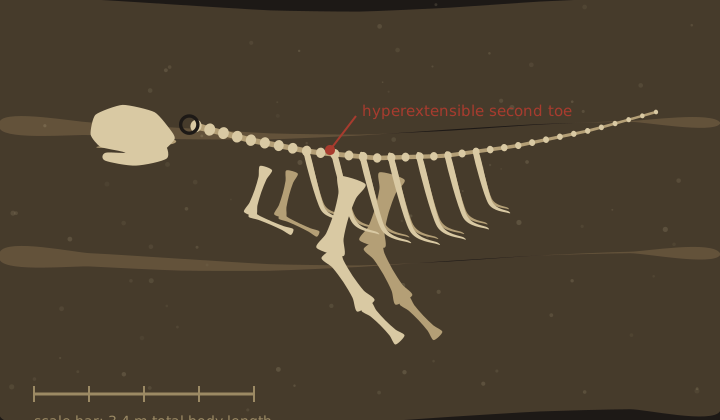
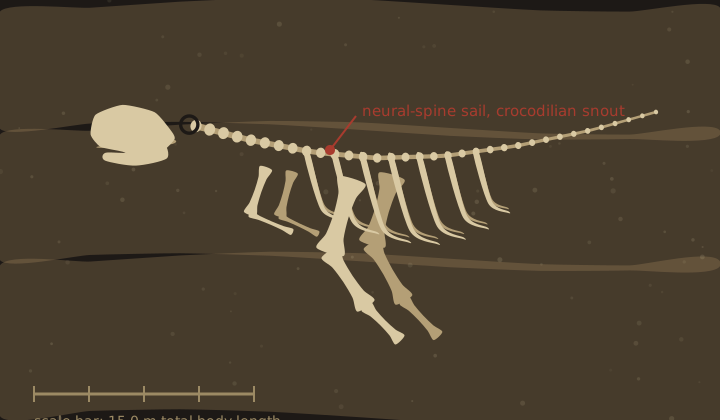
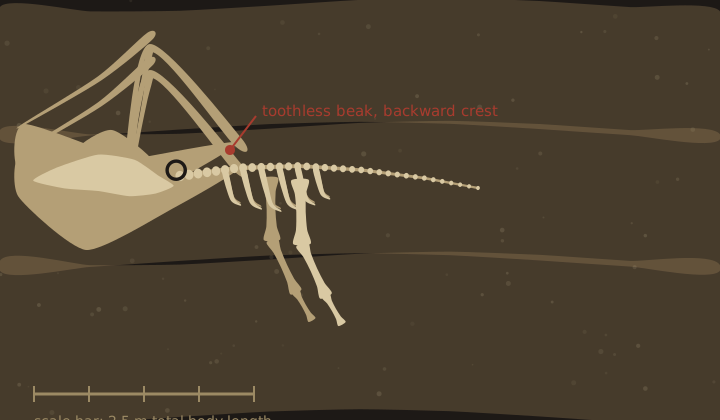
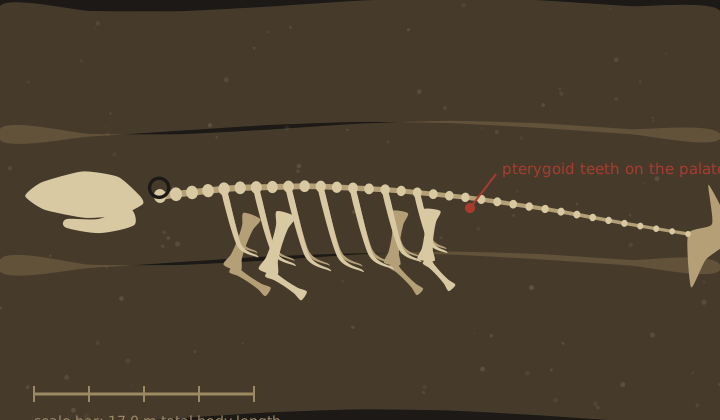
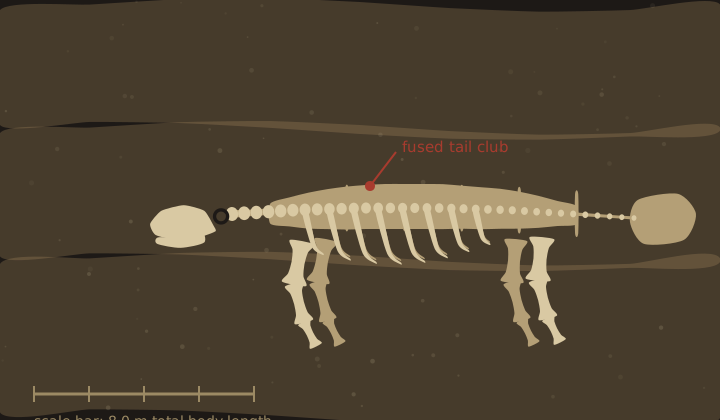
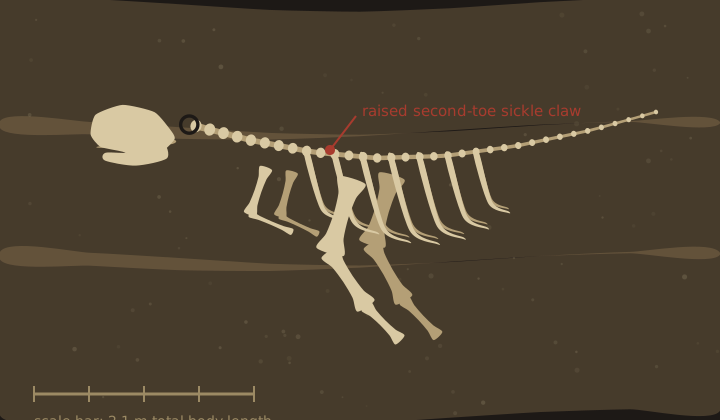
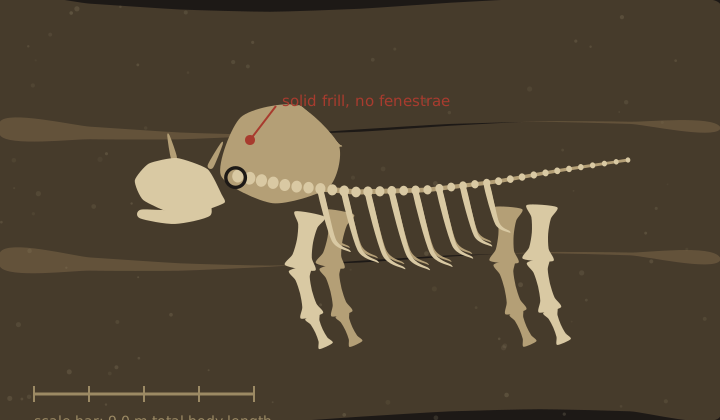
Each entry carries a vector plate assembled from a per-clade library of skull, vertebral and limb shapes, scaled to the animal's published body length and set on a stratigraphic background in its period colour. A drawing can point at the feature that matters for that genus; a photograph usually cannot, and most fossil photography has unclear licensing.
Ranges, not point values
Body mass for an extinct animal is an estimate with a spread. Entries give the low and high end of the range that appears in the literature and name the dimension the estimate is anchored to — femur circumference, humerus length, or a volumetric model of the torso.
Arguments left visible
Where specialists disagree, the entry says so instead of picking a winner. Every entry also carries a short list of claims that circulate widely and are contradicted by the fossil record, with the evidence that contradicts them.
Released in batches
The shelf fills up on a schedule rather than all at once. Periods with nothing published yet appear in the time band as sealed drawers, greyed out and not clickable, so you can see what is still in preparation.