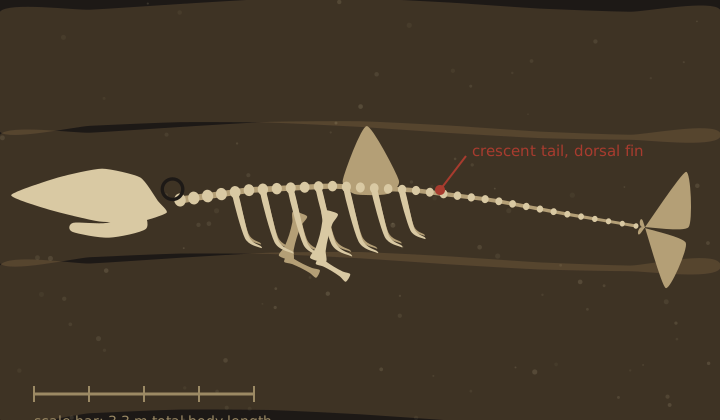
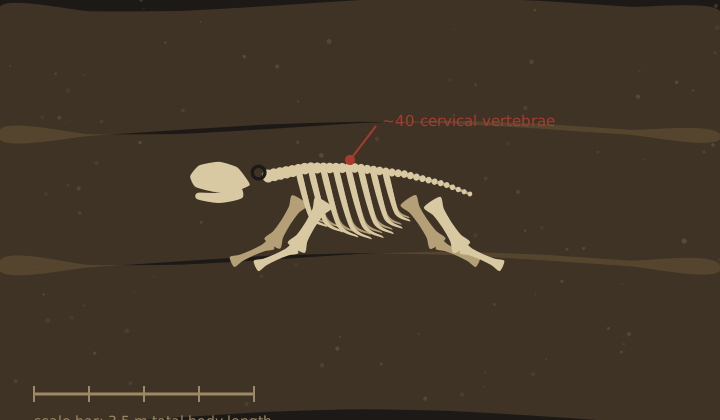
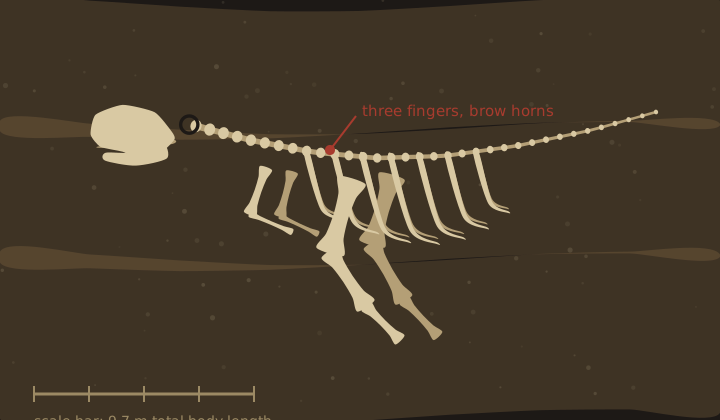
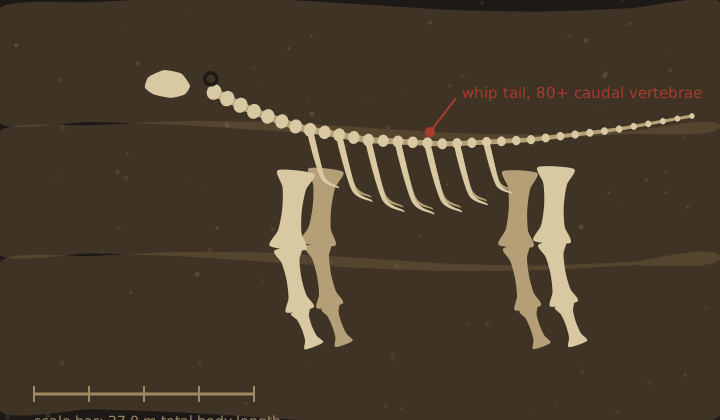
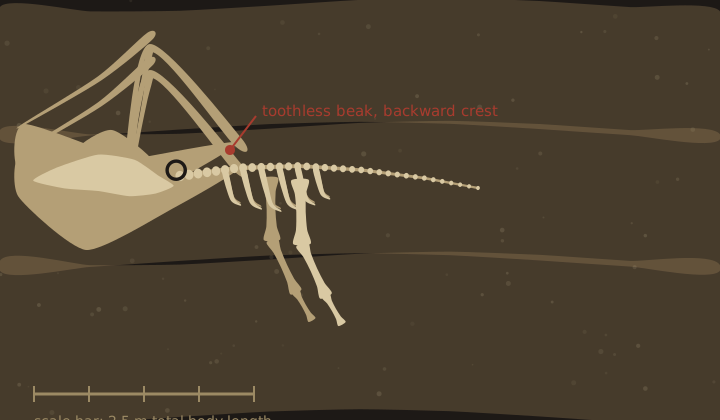
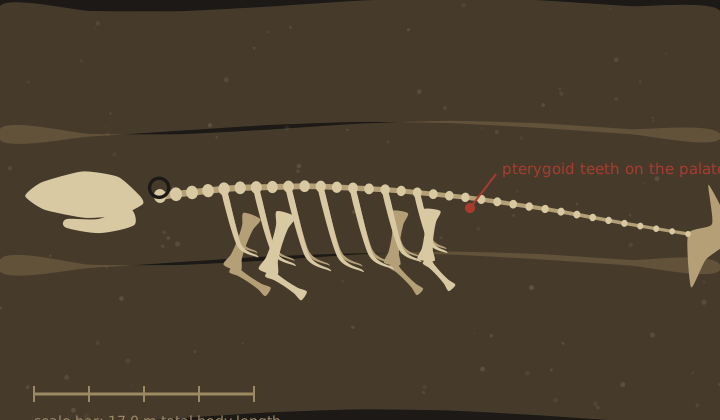
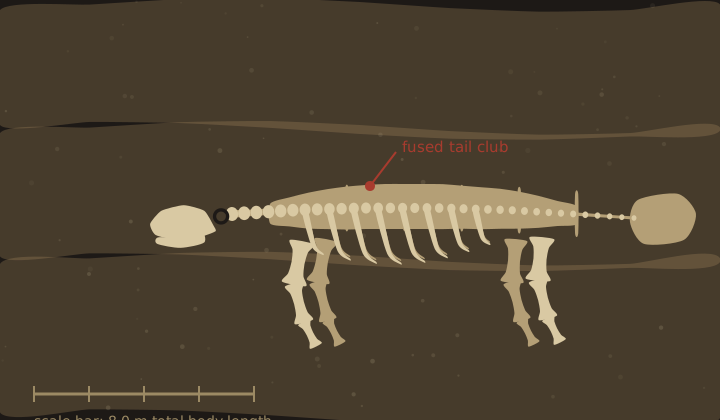
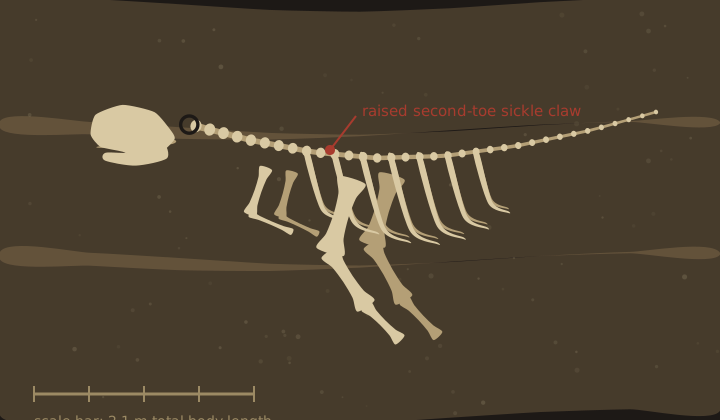
A reference shelf for prehistoric life. One entry per genus: when it lived, how much it weighed, where it was found, who described it, what is still argued about, and what keeps getting misread.
27 entries on the shelf
· 8 periods open
· plates drawn from a per-clade shape library
Early Cambrian seas were almost entirely soft-bodied; the first widely biomineralised skeletons appear here, which is why Cambrian fossils are the oldest that look like bone at all.
The Age of Fishes: armoured placoderms rule the seas while the first forests and the first four-limbed tetrapods appear on land. Ends with the Kellwasser extinction pulses.
Coal-swamp forests fix enormous amounts of carbon; atmospheric oxygen peaks near 30 percent, which is the window in which giant flying insects are mechanically possible.
Recovery after the Permian crisis produces the first dinosaurs, the first pterosaurs and the first true mammals, all three within about 30 million years of each other.
Pangaea breaks apart, shallow seas flood the continents, and sauropods reach their absolute size ceiling. The Solnhofen lagoon preserves feathers in limestone.
Flowering plants spread, chalk seas deposit the white limestone that names the period, and the largest terrestrial predators that ever lived appear in the final two million years.
Repeated glacial cycles drive the megafauna of the mammoth steppe, and the record ends with an extinction pulse that overlaps the spread of modern humans.
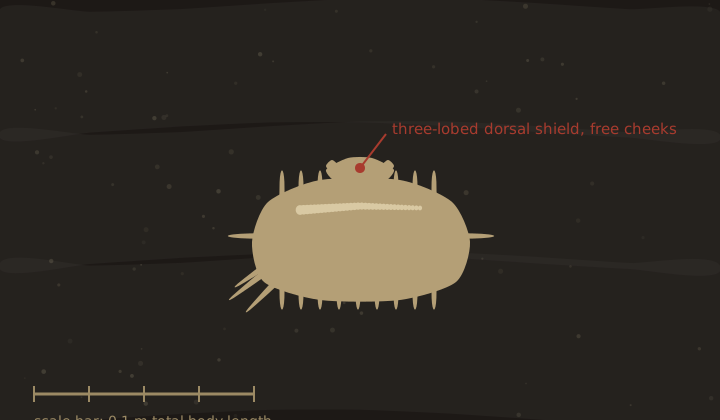
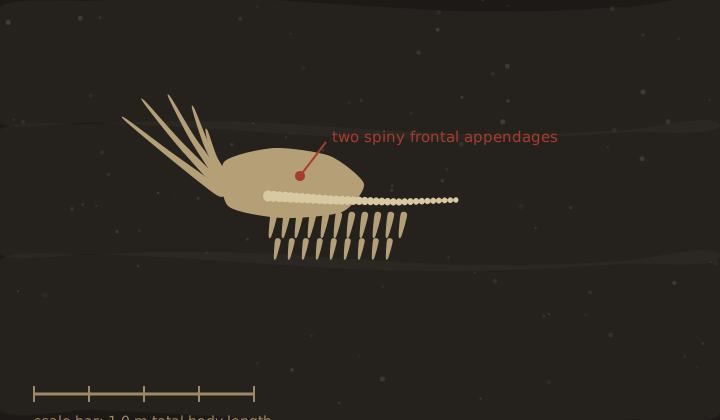
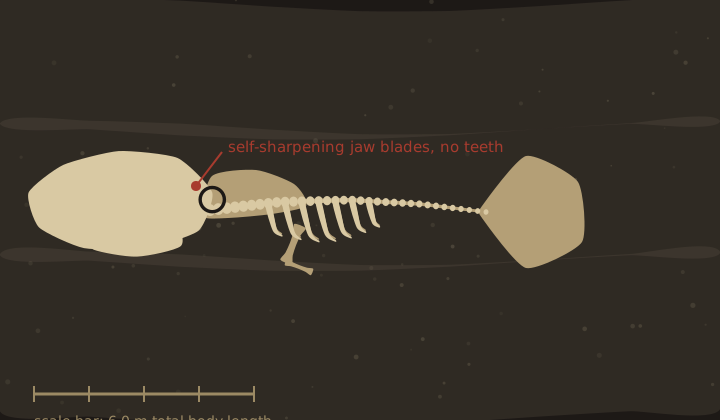
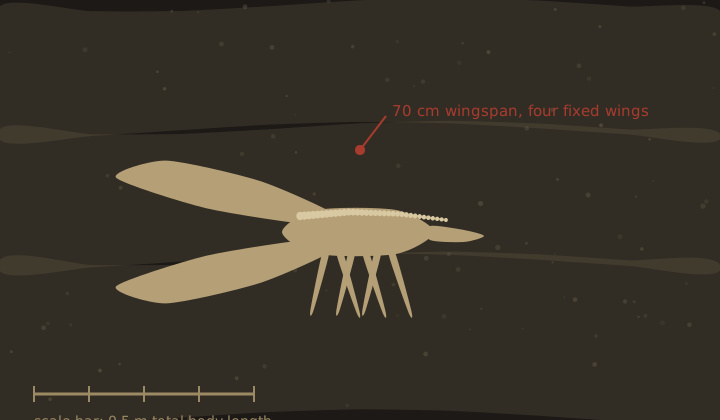
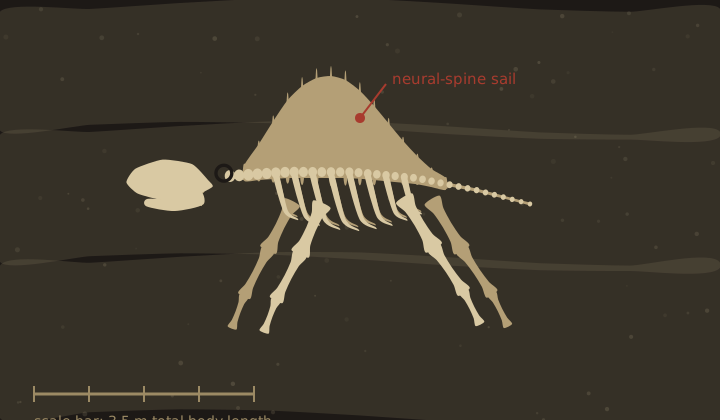
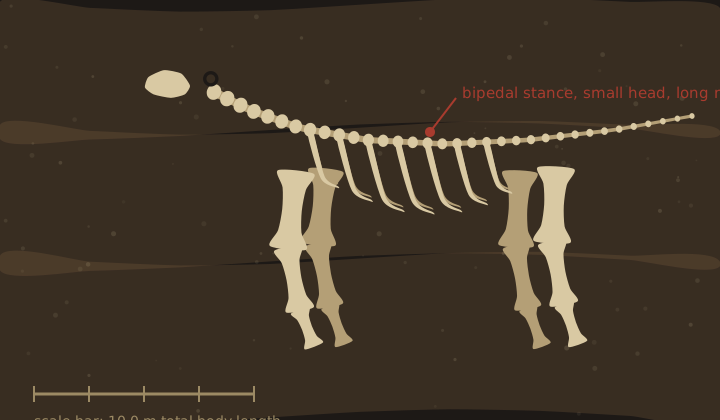
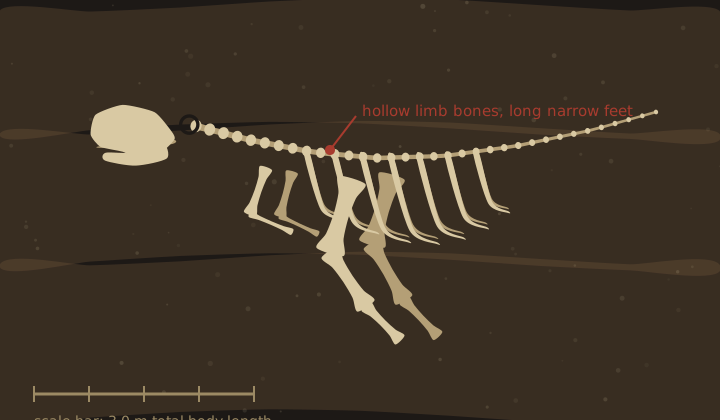
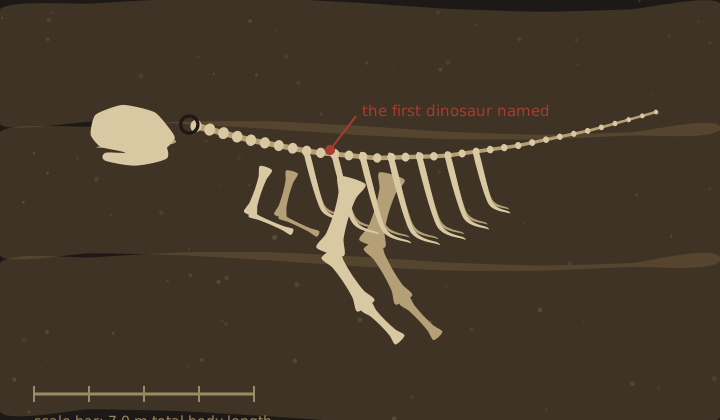
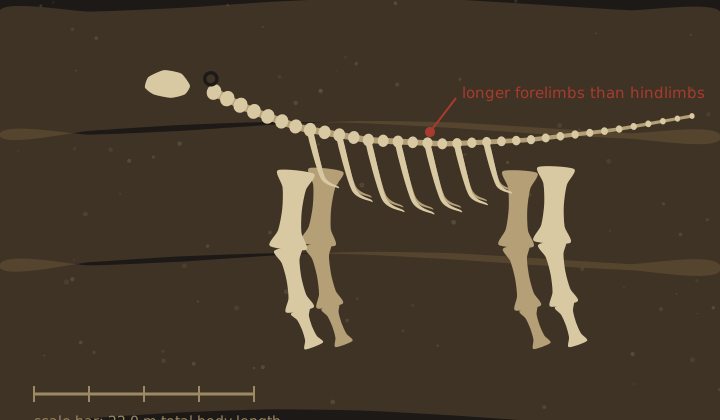
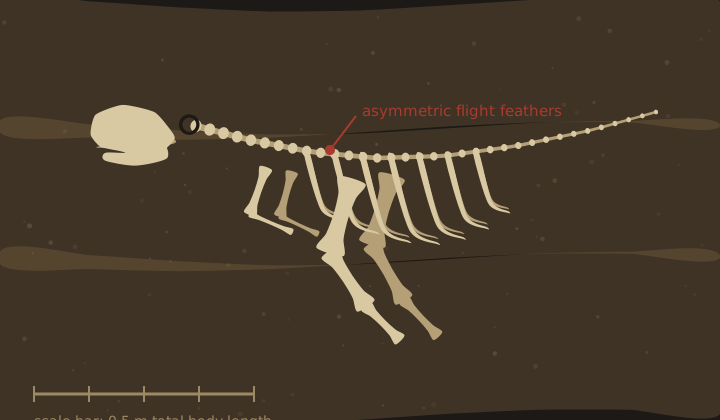
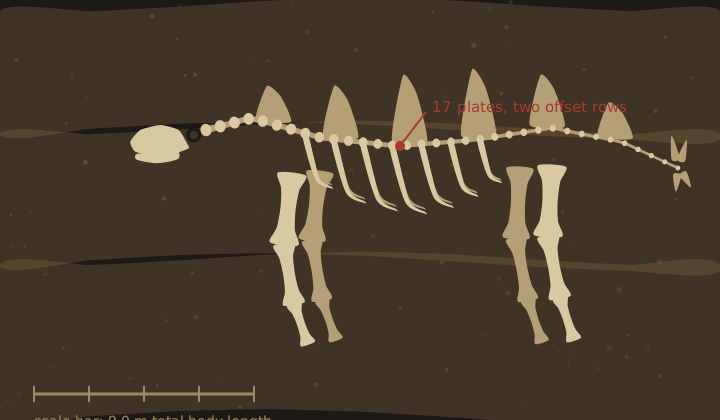
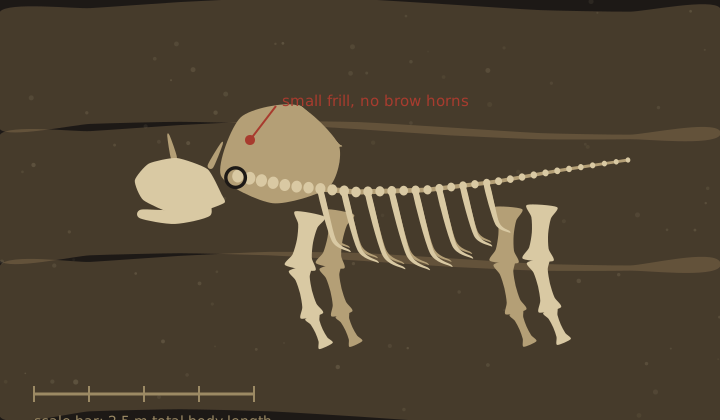
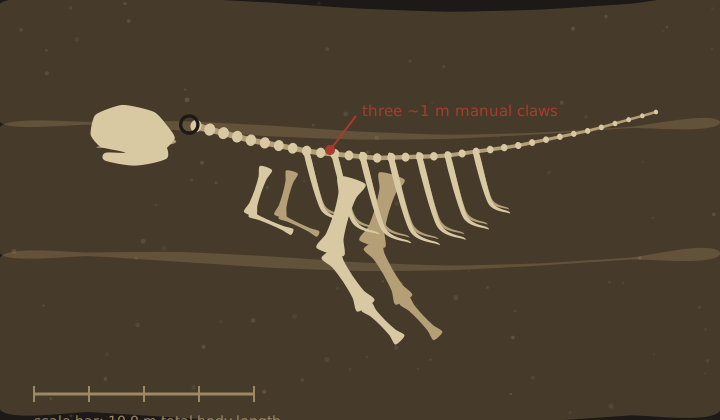
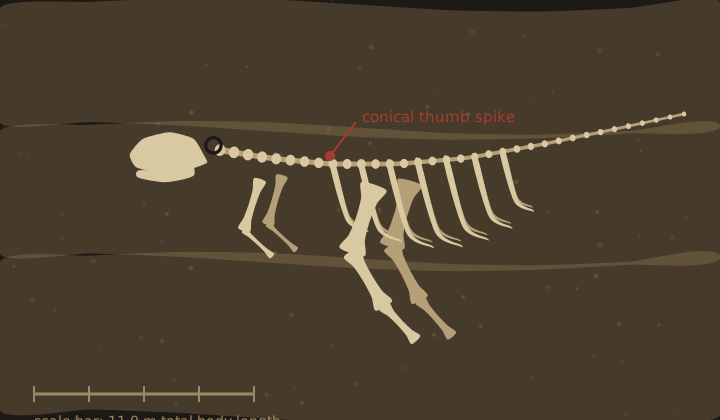
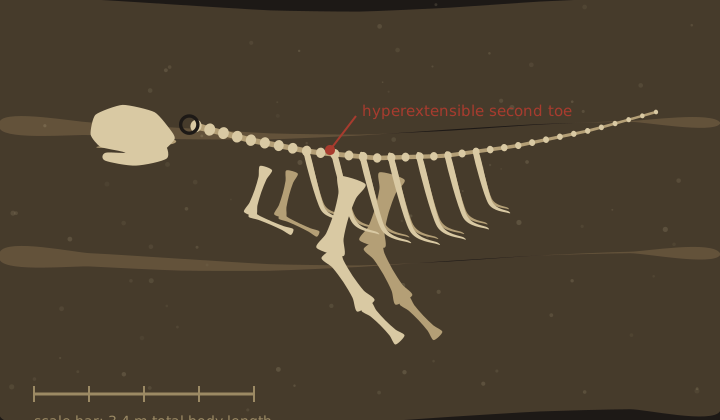
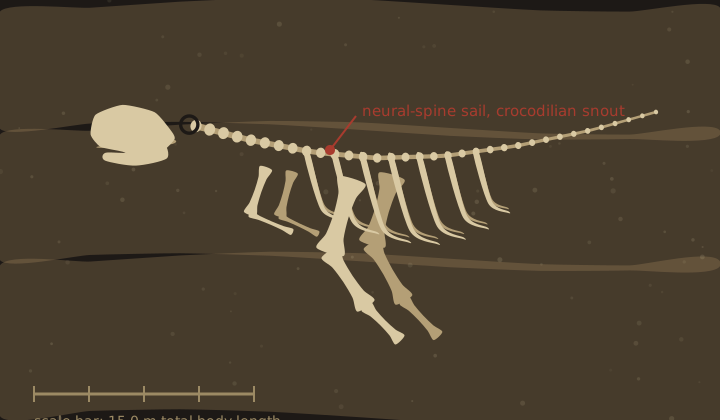
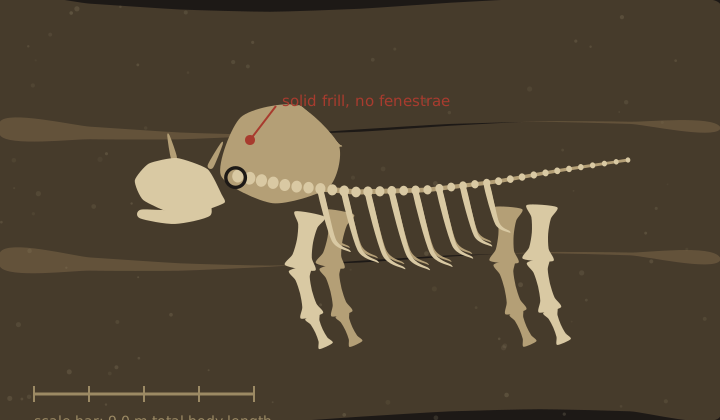
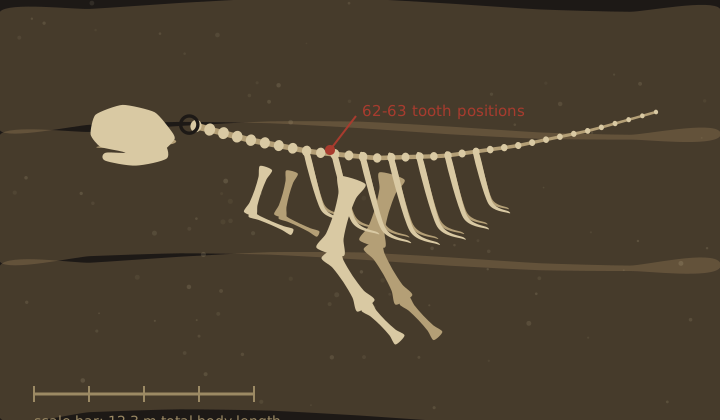
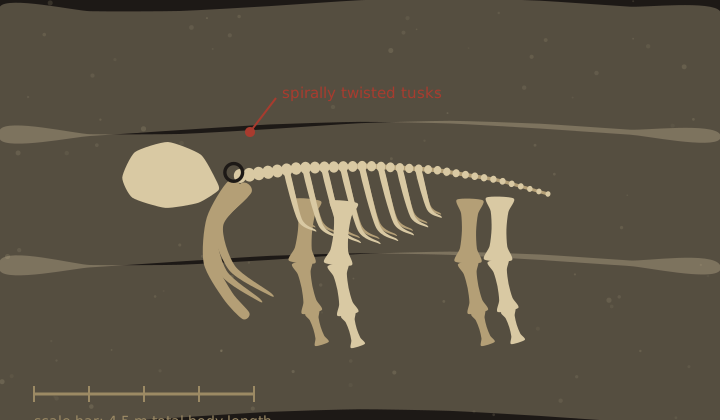
Each entry carries a vector plate assembled from a per-clade library of skull, vertebral and limb shapes, scaled to the animal's published body length and set on a stratigraphic background in its period colour. A drawing can point at the feature that matters for that genus; a photograph usually cannot, and most fossil photography has unclear licensing.
Ranges, not point values
Body mass for an extinct animal is an estimate with a spread. Entries give the low and high end of the range that appears in the literature and name the dimension the estimate is anchored to — femur circumference, humerus length, or a volumetric model of the torso.
Arguments left visible
Where specialists disagree, the entry says so instead of picking a winner. Every entry also carries a short list of claims that circulate widely and are contradicted by the fossil record, with the evidence that contradicts them.
Released in batches
The shelf fills up on a schedule rather than all at once. Periods with nothing published yet appear in the time band as sealed drawers, greyed out and not clickable, so you can see what is still in preparation.